

What Are the Different Types of Dry Eye?
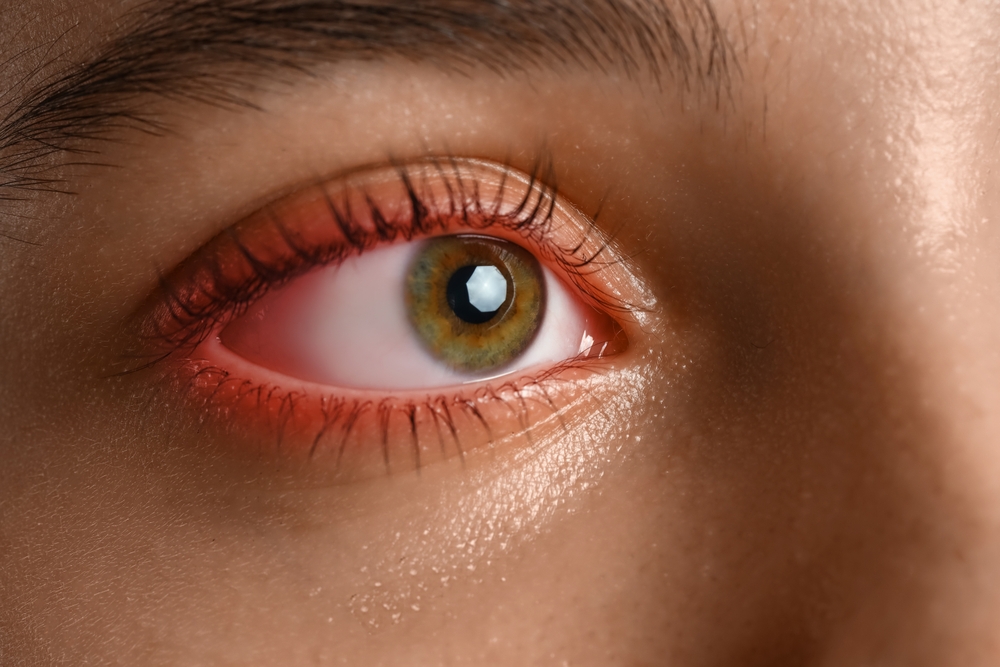
Dry eye is a common condition that affects millions of people and can significantly impact daily comfort and vision quality. While many people think of dry eye as simply “not producing enough tears,” the condition is more complex and can present in different forms. Understanding the types of dry eye can help you recognize symptoms and seek the right treatment.
What Is Dry Eye?
Dry eye occurs when your eyes do not produce enough tears, or when the tears you do produce are not of good quality. Tears play a vital role in keeping the eyes comfortable, protecting the surface of the eye, and providing clear vision. When the tear film becomes unstable, it can lead to irritation, inflammation, and blurred vision.
Dry eye can be caused by factors such as aging, hormonal changes, medical conditions, medications, prolonged screen use, environmental factors, and issues with the glands that produce tear components.
Aqueous Deficient Dry Eye
Aqueous deficient dry eye occurs when the lacrimal glands do not produce enough of the watery layer of tears. Without sufficient tear volume, the eyes become dry and irritated.
Common causes include:
• Aging
• Autoimmune conditions such as Sjögren’s syndrome
• Certain medications
• Damage or dysfunction of the lacrimal glands
People with this type of dry eye often feel persistent dryness that does not improve with blinking.
Evaporative Dry Eye
Evaporative dry eye is the most common type of dry eye and occurs when tears evaporate too quickly from the surface of the eye. This usually happens due to dysfunction of the meibomian glands, which are responsible for producing the oily layer of tears that slows evaporation.
Common causes include:
• Meibomian gland dysfunction (MGD)
• Prolonged screen time and reduced blinking
• Contact lens wear
• Dry or windy environments
Even though tears may be present, they evaporate too fast to properly protect the eyes.
Mixed Dry Eye
Many people experience a combination of both aqueous deficient and evaporative dry eye. This is known as mixed dry eye. In these cases, both tear production and tear quality are affected, often making symptoms more severe and persistent. Because multiple factors are involved, mixed dry eye usually requires a customized treatment approach.
Common Symptoms of Dry Eye
Dry eye symptoms can vary depending on the type and severity but often include:
• Burning or stinging sensations
• Grittiness or the feeling of something in the eye
• Redness or irritation
• Fluctuating or blurry vision
• Excessive tearing
• Eye fatigue, especially after screen use
Symptoms may worsen throughout the day or during activities such as reading, driving, or using digital devices.
Why a Dry Eye Exam Is Important
Dry eye is not a one-size-fits-all condition. A comprehensive dry eye exam allows Dr. Lori Tran to determine the specific type of dry eye you have and identify the underlying causes. This may include evaluating tear production, tear quality, eyelid health, and meibomian gland function.
Accurate diagnosis is essential because treatment depends on the type of dry eye present. What works for one patient may not be effective for another. Personalized treatment plans help improve comfort, protect long-term eye health, and enhance visual clarity.
Schedule a Dry Eye Evaluation at Summit Eyecare
Dry eye is a complex condition with different types that require targeted care. Whether your symptoms stem from low tear production, rapid tear evaporation, or a combination of both, understanding the type of dry eye you have is the first step toward lasting relief. With proper diagnosis and personalized treatment, dry eye symptoms can be effectively managed.
If you are experiencing dry, irritated, or uncomfortable eyes, Summit Eyecare is here to help. Schedule a dry eye exam to identify the cause of your symptoms and receive a customized treatment plan designed for your unique needs. Visit our office in Plano, Texas, or call (469) 241-9272 to book an appointment today.


MAP
Powered by: 