

Why You Need a Comprehensive Eye Exam Even If Your Vision Seems Fine
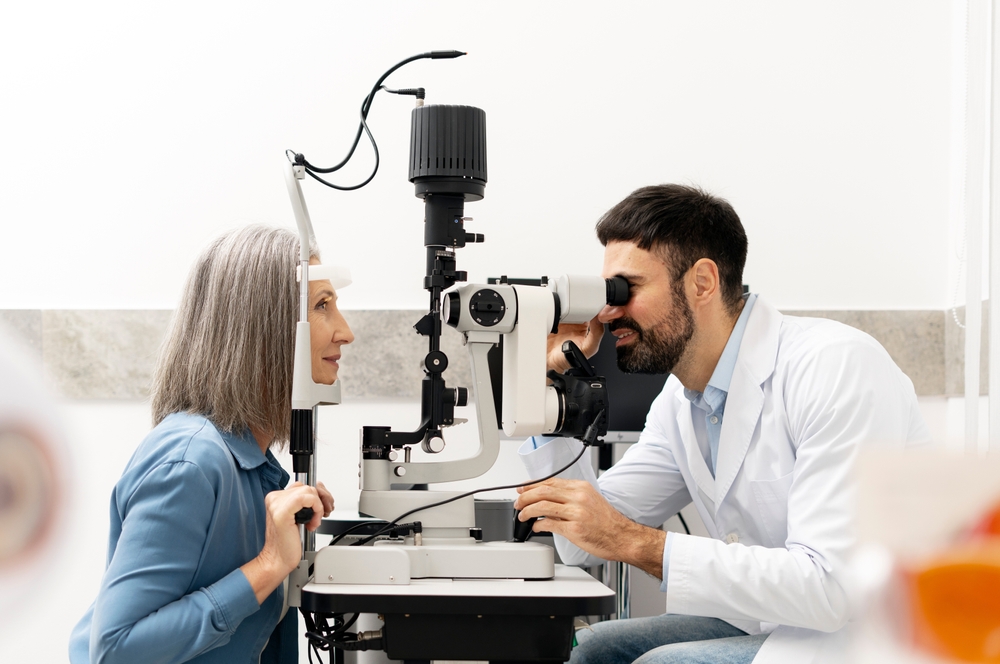
Many people assume that if they can see clearly then their eyes must be healthy. However, clear vision does not always mean healthy eyes. At Summit Eyecare, we often see patients who are surprised to learn that a comprehensive eye exam can uncover issues long before noticeable symptoms appear.
20/20 Vision Doesn’t Tell the Whole Story
Visual acuity, such as 20/20 vision, simply measures how clearly you can see at a distance. It does not evaluate the overall health of your eyes or detect many common eye conditions. You can have perfect distance vision and still develop eye diseases that progress silently.
A comprehensive eye exam goes far beyond reading letters on a chart. It includes evaluating how your eyes work together, assessing depth perception and peripheral vision, and examining the internal and external structures of the eye. This thorough approach allows your eye doctor to detect concerns that may not yet be affecting your vision.
Eye Diseases Often Develop Without Symptoms
Some of the most serious eye conditions show little to no early warning signs. Glaucoma, for example, is often called the “silent thief of sight” because it can gradually damage the optic nerve without pain or noticeable changes in vision. By the time symptoms appear, permanent vision loss may have already occurred.
Other conditions, such as macular degeneration, diabetic retinopathy, and retinal tears, can also develop quietly. Routine comprehensive eye exams are critical for early detection and intervention. When identified early, many eye conditions can be managed effectively to slow progression and protect your sight.
Your Eyes Reveal More Than Vision Problems
Your eyes can also provide important insights into your overall health. During a comprehensive eye exam, your doctor may detect signs of systemic conditions such as diabetes, high blood pressure, high cholesterol, and even certain autoimmune disorders.
Because the blood vessels in the eyes are visible without invasive procedures, they offer a unique window into your circulatory health. In some cases, an eye exam can be the first indication that something else in your body needs medical attention.
Digital Eye Strain and Lifestyle Factors
Even if your distance vision feels fine, modern lifestyles can place significant stress on your eyes. Prolonged screen time, blue light exposure, and reduced blinking can contribute to digital eye strain, dryness, headaches, and fatigue.
A comprehensive eye exam helps identify subtle focusing issues or eye coordination problems that may be contributing to discomfort. Your eye doctor can recommend solutions such as updated prescriptions, blue light filtering lenses, or lifestyle adjustments to support comfortable vision throughout the day.
How Often Should You Schedule an Exam?
For most adults, an annual comprehensive eye exam is recommended, even if vision seems stable. Individuals with certain risk factors - such as diabetes, a family history of eye disease, or existing vision conditions - may need more frequent visits. Our eye doctor at Summit Eyecare can recommend a schedule tailored to your individual needs.
Schedule Your Comprehensive Eye Exam at Summit Eyecare
Clear vision is only one part of overall eye health. Many serious conditions develop without noticeable symptoms, making routine comprehensive eye exams essential - even when your eyesight seems perfectly fine.
Contact Summit Eyecare to schedule your comprehensive eye exam and take a proactive step toward lifelong eye health. Visit our office in Plano, Texas, or call (469) 241-9272 to book an appointment today.

MAP
Powered by: 